Things to Do in Palermo
Arab-Norman alleyways, €2 arancini, and the loudest fish market in Europe
Top Things to Do in Palermo
Find activities and tours you'll actually want to do. Book through our partners -- no booking fees.


Plan Your Trip
Essential guides for timing and budgeting
Climate Guide
Best times to visit based on weather and events
View guide →Day Trips
The best excursions and nearby destinations worth the journey
Explore day trips →Where to Stay
Best neighbourhoods, hotel picks, and booking tips
Find hotels →Travel Insurance
What's required, what coverage matters, and how to get a quote
Read guide →What to Pack
Climate-specific gear, essentials, and what to leave at home
See packing list →When Should You Visit Palermo?
Tap a month for weather, crowds, and highlights
View full year-round climate guide →

Your Guide to Palermo
About Palermo
Palermo announces itself by scent. Fried chickpea drifts from the friggitoria on Via Maqueda, collides with diesel from Vucciria market, then meets Trapani anchovies and late blood oranges from Ballarò. Norman kings once raised mosques that became churches on Phoenician bones. The palm-lined Foro Italico stares across the Tyrrhenian toward Africa.
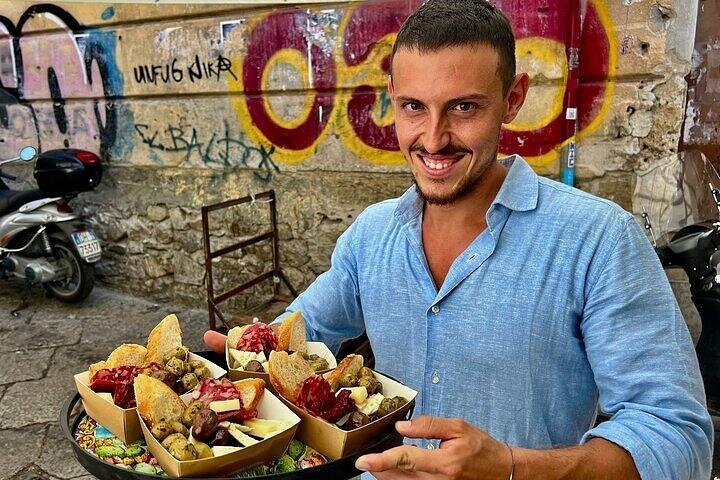
Lunch can be three arancini, saffron-yellow, ragù-heavy, still blistering, for €2 ($2.20). Dinner runs €25 ($27) for pasta con le sarde at Osteria dei Vespri under the shadow of the Quattro Canti. The centro storico is a maze of baroque balconies and laundry alleys so narrow you can touch both walls. New Palermo stretches toward Mondello with Liberty villas and beach clubs charging €8 ($8.70) for a sunbed in August.
You will get lost. Google Maps surrenders in the Kasbah quarter. That is where the gold waits: a 93-year-old pulling espresso in a closet bar on Via dei Biscottari, couscous di pesce tasting like a grandmother trained in Tunis and never looked back. The city is not polite. Summer heat hits 38°C (100°F) and humidity turns shirts sheer by noon.
Crossing Corso Vittorio Emanuele feels like playing Frogger with Vespas. Yet Palermo rewards the stubborn. Mafia tours miss the real story: anti-mafia markets sell tomatoes that taste like scandal, and the best cannoli hide in a convent on Via dell'Alloro. Come for the architecture. Stay because a street procession sweeps you up and someone hands you Marsala.
Travel Tips
Transportation: AMAT city buses are cheapest, €1.30 ($1.40) for 90 minutes. Buy tickets at tabacchi before boarding. Lines 101 and 102 circle the historic center. Driving here is madness unless you like alleys built for donkeys. From the airport, Prestia e Comandè coaches leave every 30 minutes to Politeama for €6 ($6.50). Taxis will quote €35-45 ($38-49) but rarely drop below €30 ($33). Pro tip: orange AST bus 389 reaches Mondello beach for €1.50 ($1.60). Skip the €25 ($27) tourist shuttles.
Money: Cash still rules Palermo. Most trattorias and stalls refuse cards under €20 ($22). ATMs are everywhere; Banca di Sicilia usually charges the lowest fee at €2.50 ($2.70) per withdrawal. Tipping is optional. Round up to the nearest euro: €0.50 ($0.55) for coffee, €1-2 ($1.10-2.20) for dinner. Watch for the 'coperto', typically €2-3 ($2.20-3.30) per person. It is legal but sneaky.
Cultural Respect: Churches are not museums. Cover shoulders and knees, at the Cathedral and Martorana. Locals kiss saints' feet at Capuchin catacombs. Step aside if you prefer not to join. Lunch runs 1-3 PM. Dinner starts at 8:30 PM earliest. Arrive at 7 PM and you scream tourist. Sicilian dialect sounds like furious Italian. They are probably just describing lunch. Smile and say 'non parlo bene italiano'; it works better than English.
Food Safety: Street food is religion. Timing matters. Arancini and panelle are safe all day. Eat seafood only where turnover is high. At Ballarò market, follow the grandmothers. If they queue at Pani ca' Meusa Franco, the spleen sandwiches are fresh. Tap water is safe but tastes like a swimming pool. €0.50 ($0.55) buys a liter at any tabacchi. That €1 ($1.10) granita likely uses sketchy ice. Pay €2.50 ($2.70) at Caffè Spinnato and skip the stomach pump.
When to Visit
March through May is Palermo's sweet spot. Temperatures linger around 20-24°C (68-75°F). Almond blossoms turn the Conca d'Oro valley white. Hotel prices sit 25-30% below summer peaks. April delivers the Festino di Santa Rosalia (July 14-15). Fireworks and processions roar until 3 AM. Book months ahead. Prices triple. June turns serious: 28-32°C (82-90°F), humidity you can chew, and beach clubs charging €15 ($16) for a sunbed.
July-August is the furnace, 35-38°C (95-100°F). Locals flee to the mountains. Restaurants shut August 1-15. Hotels hit €200-300 ($220-330). September cools to 26-30°C (79-86°F). The sea stays warm. Wine festivals pop up in nearby villages. October is perfect: 22-25°C (72-77°F), empty beaches, and shoulder-season rates 40% below peak.
November through February is mild but damp, 15-18°C (59-64°F), rain every few days, and shorter hours at some sights. Christmas markets open December 8 (Immaculate Conception) through January 6 (Epiphany). Evenings stay mild for chestnut vendors on Via Maqueda. Winter hotels drop to €60-100 ($65-110). Good for budget travelers who shrug at thunderstorms.
More Ways to Experience Palermo
Tours, day trips, and local experiences curated by on-the-ground operators.
Didn't see anything interesting yet?
Browse Viator's full catalog of tours, day trips, food experiences, and private guides in Palermo.
See All Palermo Tours on Viator